Launch Industry Updates: SpaceX skips military work as Spain finalizes rocket
A NASA panel cites 22 refuelings for Starship, while PLD Space targets a 2027 debut for its Miura 5 vehicle.
By Maya Almasi ·
SpaceX has turned down three launch contracts proposed by the US Space Force, according to the Rocket Report published on October 23.
The company reportedly responded to the offers with the phrase "thanks, but no thanks." This decision stands as one of two major developments involving the firm that emerged on Thursday. The second surprise came from the civil space sector, where a NASA safety panel evaluated the requirements for a lunar landing.
The panel determined that SpaceX's Starship vehicle might require up to 22 refueling stops to support that mission. This figure illustrates the technical demands of the proposed architecture.
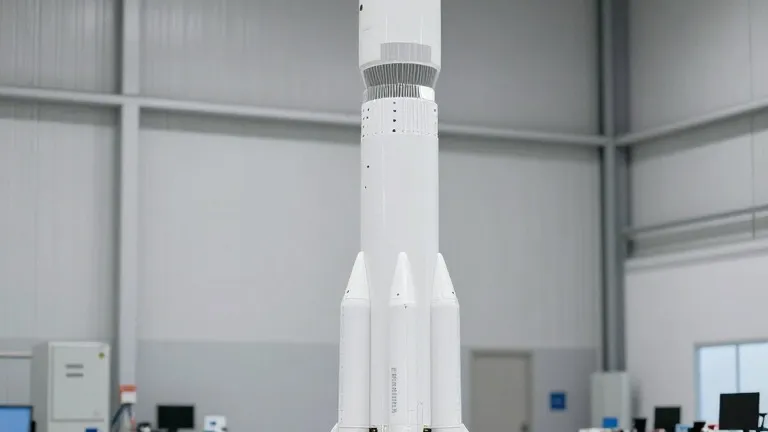
In Spain, PLD Space stated that its Miura 5 rocket is entering its final integration phase, as reported by Aviation Week. The small-lift vehicle is scheduled to fly for the first time in 2027, with the company aiming to complete its inaugural launch before the middle of that year.
PLD Space has constructed three Miura 5 vehicles. CEO Raúl Torres explained in an October 19 update that two of these units are designed to test key system components. He noted that building all three vehicles enabled his teams to work continuously across different production and integration stages. "Manufacturing these three vehicles has allowed our teams to work continuously across different stages of production and integration, applying the lessons learned from each qualification campaign directly to the launch vehicle," Torres said.
One second stage is currently fully integrated and located at the company's Teruel test facility. This setup permits system-level testing under conditions that mimic actual operations. The qualification campaign for this stage includes a wet dress rehearsal and a static hot-fire test.
In Canada, startup Reaction Dynamics announced plans to raise $350 million. The company intends to use these funds to grow its workforce from 68 to more than 350 employees. It is developing a small-lift rocket named Aurora, which targets orbital flight in 2028. The company also outlined plans for a medium-lift vehicle called Borealis, which is targeted to debut by 2031.
Source: Ars Technica