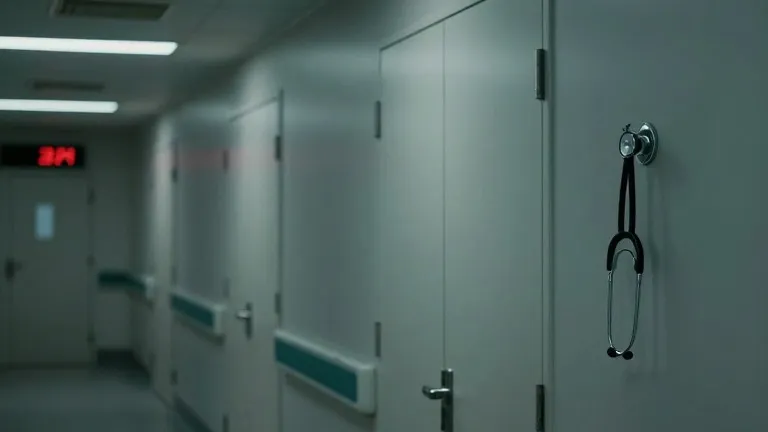
Reserve Veterans Criticize Military's Slow Response to Trauma Care
Veterans claim the army is struggling to cope with a rising tide of trauma cases, leading many to seek help outside official channels.
By Madison Morris ·

Veterans and military insiders have issued a stark warning about the state of mental health support within the Israeli defense establishment. They argue that the system is failing to handle the surge in reservists seeking treatment after nearly three years of sustained combat. The criticism suggests that current resources are stretched too thin to meet the immediate needs of returning fighters.
The core of the complaint involves a significant outflow of patients from the state system. Thousands of reservists who completed long deployments are now traveling abroad. They are joining workshops and receiving care from private nonprofit groups. One source emphasized that the army should have partnered with these external bodies earlier. This collaboration, they argued, would have reduced inconsistencies in how conditions are diagnosed and treated.
A clear divide exists between active duty personnel and those serving in the reserves. Regular soldiers reportedly receive continuous support throughout their service. In contrast, reservists often get limited assistance only near the end of their duty. Many feel that once they are discharged, the military washes its hands of their wellbeing. They are left to navigate bureaucratic hurdles with minimal ongoing help.
Medical specialists fear that the current situation is just the beginning. They predict that the psychological impact on hundreds of thousands of troops will grow in coming years. Estimates from the Defense Ministry suggest tens of thousands of soldiers will develop post-traumatic stress disorder. Currently, more than 7,000 combat troops have been officially recognized as having psychological disabilities resulting from their service.
The army’s Ta'atzumot Clinic and the Combat Stress Reaction Unit are the main providers of care. Sources claim these facilities have not expanded quickly enough to match the rising demand. A worrying trend has emerged where fighters bypass the military system entirely. They seek help from private providers or alternative programs overseas instead of using official channels.
The Ta'atzumot Clinic states that about 65% of its patients return to service. However, critics question if this statistic is accurate. They argue it may only reflect those who successfully reached the treatment stage. Others may drop out before receiving adequate care, leaving the true picture obscured.
The IDF Spokesperson’s Unit responded by highlighting recent expansions. They noted that new clinics have opened across the country and a 24-hour hotline is now active. The military claims it proactively identifies those in need through post-deployment debriefings. It also pointed out that the clinic has added occupational therapy and an intensive outpatient program.
Officials stressed that the 65% return-to-service rate applies only to clinic patients, not all affected troops. The Combat Stress Reaction Unit has treated over 5,000 new patients while keeping wait times short. The Medical Corps noted that most patients report satisfaction. They also clarified that civilian health bodies handle many cases, as the IDF generally cannot treat civilians except through specific units.
Finally, the military introduced a concept called the Service Cycle. This framework acknowledges that reserve duty is no longer a single event. It is a continuous process that affects soldiers, their families, and their units throughout the year. The IDF says this approach will guide future support strategies.
Source: The Jerusalem Post