Iran Threatens to Sink US Fleet as Oil Prices Hit Record Highs
Tensions escalate across the Middle East as Tehran vows to block American naval access while diplomatic talks stall in Istanbul.
By Madison Morris ·
The Iranian military has declared its readiness to engage American warships directly, a bold declaration issued just as President Donald Trump left the next phase of the conflict undecided. Speaking to a crowd in Florida on Friday, the US leader suggested that Washington might launch another massive air campaign, echoing the initial bombing raids known as Epic Fury. This uncertainty has left Tehran feeling emboldened, with its leadership now openly challenging the presence of US naval power in the region.
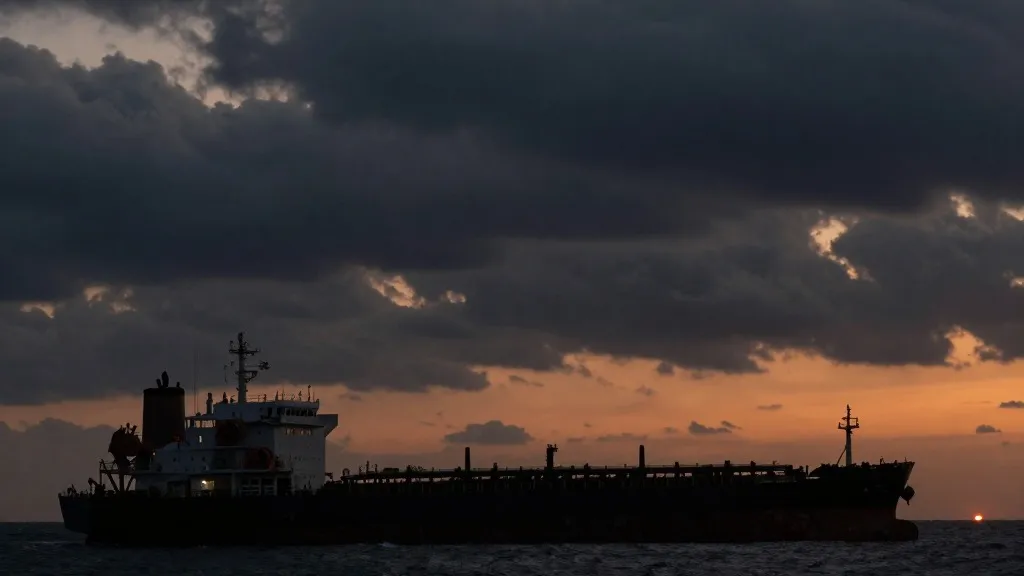
The economic impact of this heightened tension is already visible in global markets. Brent crude oil prices have surged to approximately $117 per barrel, marking their highest point since April. This spike follows a series of aggressive incidents in the Strait of Hormuz, where the Islamic Revolutionary Guard Corps reported that seven tankers were damaged or hit by mines overnight into Thursday. On Friday, the group claimed responsibility for two more supertankers striking mines, signaling a shift toward a more offensive maritime doctrine.
At the center of the military standoff is Ali Abdollahi, the chief of staff for Iran's armed forces. In a statement released by state media on Saturday, he asserted that American vessels can no longer safely enter Iranian territorial waters or their immediate surroundings. Abdollahi criticized US rhetoric as contradictory, arguing that Washington claims Iran's military is weakened yet keeps its aircraft carriers at a distance. He warned that US forces would face a quagmire and vowed to drown both the US and Israel in retaliation for the surprise attack that started the war in February.
The conflict has spread beyond the primary theater, creating multiple active fronts that complicate regional stability. In Yemen, the Iran-aligned Houthis struck Riyadh on Saturday, following recent attacks on Dammam airport and the Shaybah oilfield. Saudi forces responded by bombing Houthi-held zones in Marib and Taiz. Meanwhile, in southern Lebanon, Israeli airstrikes targeted areas near Nabatieh, and artillery fire fell near Zawtar ash-Sharqiyah. In the West Bank, Prime Minister Benjamin Netanyahu ordered a lockdown after a Palestinian attack killed two soldiers, a development occurring just days before his October 27 election.
Diplomatic efforts to calm the situation have so far yielded little progress. Senior diplomats from Turkiye, Saudi Arabia, Pakistan, and Egypt met with counterparts from the UK, France, Germany, and Italy in Istanbul, but both the US and Iran were absent. Turkish Foreign Minister Hakan Fidan warned that a new attack would widen the war, while German official Johann Wadephul blamed Iran and the Houthis for instability. The regional ministers countered that Israeli occupation was the primary source of unrest, reaffirming their support for the June Islamabad memorandum and demanding free passage through Hormuz.
Iranian state media argue that there is a significant gap between diplomatic talk and the reality on the ground. They claim Tehran has activated a dead hand doctrine, which would allow attacks to continue from all 31 provinces even if senior leaders are assassinated. Analysts suggest that the cycle of violence will end by all necessary means, as Iran refuses to negotiate under bombardment. With US intelligence indicating an increased effort to strike American officials, the region remains on high alert.
The situation underscores a growing frustration with the current standoff. As diplomatic channels stall and military posturing intensifies, the risk of a broader regional conflict continues to climb. The coming days will likely be decisive in determining whether the war expands or if a fragile pause can be maintained.
Source: Al Jazeera