Economy tops ballot as AP-NORC polls show 7 in 10 say nation is off track
With polls open, voters in Raleigh and Palm Beach Gardens highlight rising costs and tariffs as the deciding factors in the 2026 midterms.
By Maya Almasi ·

The Associated Press reports that economic concerns have surged to the top of the national agenda on Tuesday, November 3, 2026. This midterm election is being described as a referendum on the current administration, with voters expressing frustration over high prices and an unpopular war with Iran. The stakes are high as the results will determine which party controls Congress for the final two years of President Donald Trump's second term.
New polling data from the AP-NORC survey reveals that only 35 percent of U.S. adults approve of the president's job performance. Approval for his handling of the economy stands at 25 percent. Furthermore, about seven in 10 adults believe the country is heading in the wrong direction. Most respondents in the survey blamed the president for the rise in consumer prices.
In North Carolina, the economic strain is palpable for many residents. James Moore, a 57-year-old librarian in Raleigh, cited the cumulative effect of rising costs on his household. He stated that he is paying more in taxes, more for healthcare, and more for everything else. Moore's comments reflect a broader sentiment among voters who feel the weight of inflationary pressures despite policy efforts.
Contrastingly, in Palm Beach Gardens, Florida, voter Mark Barker expressed a different view. Barker said he has been following the president closely and believes he is doing an awesome job. His optimism highlights the divide in public opinion, where some voters remain supportive of the current leadership despite the macroeconomic challenges reported in national polls.
Tariffs have emerged as a specific point of contention in several competitive states. The Associated Press notes that in Maine, economic strain and the impact of tariffs have made the Senate race competitive. Senator Susan Collins, a Republican, faces Democratic former state Senate President Troy Jackson in a contest that was previously considered safe for the incumbent.
The financial stakes of this election are also substantial. The 2026 elections are likely to be the most expensive in history. Republican committees have outraised and outspent their Democratic counterparts, aided by Trump-affiliated groups and Elon Musk. However, at the candidate level, Democrats have managed to raise more funds than their opponents. This funding disparity is evident in advertising, with 88.1 percent of Republican general election TV ad spending directed at states and districts Trump won in 2024.
The Associated Press analysis of AdImpact data shows that over $850 million in Republican TV ad spending went to areas where the president won by 10 points or more in the previous cycle. This strategy suggests a focus on consolidating support in strongholds while attempting to defend vulnerable seats. The heavy investment in advertising underscores the intensity of the campaign in the final days before the polls close.
In the House, all 435 seats are up for grabs. Republicans currently hold 218 seats, while Democrats hold 214, with one independent and some vacancies. Democrats need a net gain of three districts to secure a majority, whereas Republicans can lose no more than two. Ballotpedia identifies 46 battleground districts, with 25 held by Democrats and 21 by Republicans. The outcome in these districts will likely determine the balance of power in the lower chamber.
The Senate race involves 35 seats, including 33 regular elections and two special elections. Republicans hold 53 seats, and Democrats hold 45, plus two independents who caucus with the Democratic Party. Democrats need a net gain of four seats to take control. Key battlegrounds include Alaska, Florida, Georgia, Iowa, Kansas, Maine, Michigan, Montana, Nebraska, New Hampshire, North Carolina, Ohio, and Texas. The ratings for these races vary, with Maine considered a toss-up by all four major forecasters.
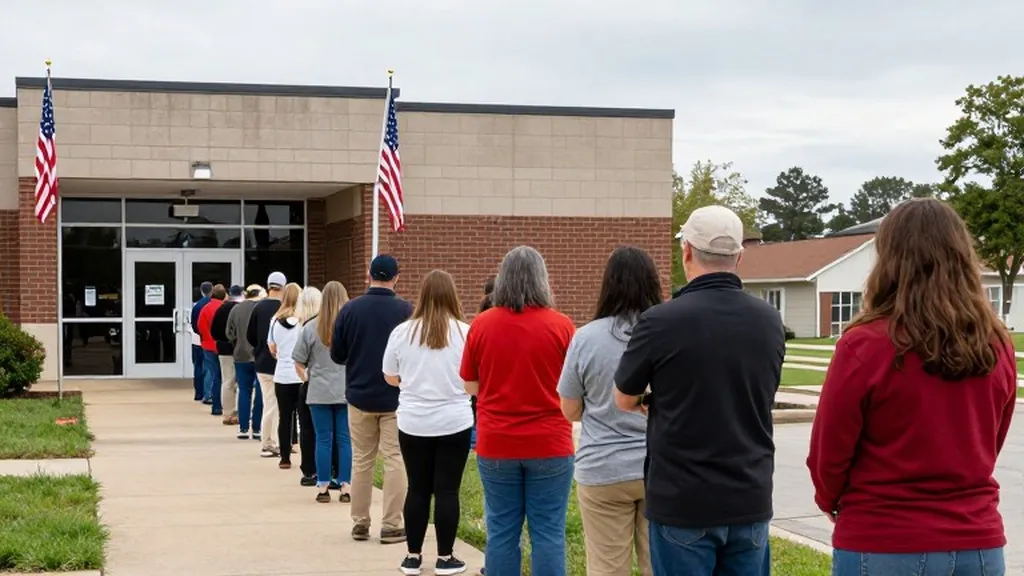
Voter turnout has already surpassed expectations. More than 57 million people had voted as of Monday, surpassing the early vote totals from four years ago in many closely watched states. RNC Chairman Joe Gruters emphasized that everything depends on turnout, stating that if they turn out their voters, they win. DCCC Chair Rep. Suzan DelBene countered that the American people are angry and want change, suggesting that the current mood favors the opposition.
The election administration has faced some legal hurdles. A federal judge temporarily barred the Trump administration from carrying out a plan to prevent noncitizen voting, which critics say risks disenfranchising eligible voters. Additionally, a judge ordered the administration to stop demanding that California election officials segregate ballots cast by people on lists of suspected noncitizens. The U.S. Postal Service has added hours, staff, and special lines to ensure mail ballots are counted on time.