Markets Braced for AI Cost and Debt Ceiling Clarity on Election Day
Investors look to Tuesday's midterms for signals on fiscal policy, trade alliances, and the sustainability of the current AI investment boom.
By Maya Almasi ·

Wall Street is watching the 2026 midterm elections with a focus that extends beyond simple party control. According to Reuters, results could add to investor concerns about AI spending and debt ceiling negotiations. Markets are seeking clarity on how the next two years of Congress will handle the federal deficit and the rapidly growing costs of artificial intelligence infrastructure. The outcome in 35 Senate seats and all 435 House seats will determine the balance of power during President Donald Trump's final two years in office. This balance directly influences the legislative environment for trade agreements and fiscal policy.
The Associated Press describes the election as a referendum on Trump's second term, noting that voters are struggling with high prices and are angry over an unpopular war with Iran. This domestic sentiment is critical for markets because it shapes the political pressure on Congress to address economic stability. If Democrats win even one chamber, investigations and possible impeachment proceedings become likely, which could create legislative gridlock or force a focus on oversight. House Democratic Leader Hakeem Jeffries, who would be the first Black speaker if Democrats take the House, has outlined a 100-day agenda on the cost of living and oversight. Republicans, meanwhile, are bracing to lose the House and fighting to hold the Senate.
AI spending remains a central pillar of the current economic expansion, but its long-term affordability is under scrutiny. Investors are concerned that the massive capital expenditure required for data centers and chips may outpace returns. The debt ceiling negotiations will be a key battleground. With Republicans holding 53 Senate seats and Democrats holding 45, plus two independents who caucus with Democrats, the math is tight. Democrats need a net gain of four Senate seats for a majority. Republicans can lose only two. If the Senate remains split or shifts to Democratic control, the process for raising the debt limit could become more contentious, potentially impacting borrowing costs for corporations and the federal government.
Trade and alliances are also on the minds of global markets. The AP notes that economic strain and tariffs have made states like Maine competitive in the Senate race. Tariffs are a significant variable for multinational corporations, and a change in congressional control could alter the administration's ability to implement or modify trade policies. Republicans have tried to beat the midterm pattern, where a president's party almost always loses seats, with redistricting. However, new districts in states like Florida and California may not vote as drawn. This uncertainty adds a layer of risk for companies that rely on stable trade relationships and predictable regulatory frameworks.
The mood among voters is reflected in polling data from the AP-NORC survey. Thirty-five percent of U.S. adults approve of Trump's job performance, while 25 percent approve of his handling of the economy. About seven in 10 say the country is heading in the wrong direction. Most blame him for high prices. This economic anxiety is likely to drive voting behavior in battleground districts. In the House, Democrats need a net gain of three districts for a majority. Republicans can lose no more than two. Ballotpedia counts 46 battleground districts. The outcome in these districts will determine whether Congress has the leverage to push through tax or spending measures that affect corporate earnings.
Money is a major factor in this election cycle. The 2026 elections are likely to be the most expensive in history. Republican committees outraised and outspent Democratic committees, helped by Trump-affiliated groups and Elon Musk. However, at the candidate level, Democrats outraised their opponents. Eighty-eight.1 percent of Republican general election TV ad spending went to states and districts Trump won in 2024. This spending pattern suggests a strategy to consolidate support in areas where the administration has strong polling. For investors, the intensity of the campaign spending may signal the level of political engagement and the potential for policy shifts in key economic sectors.
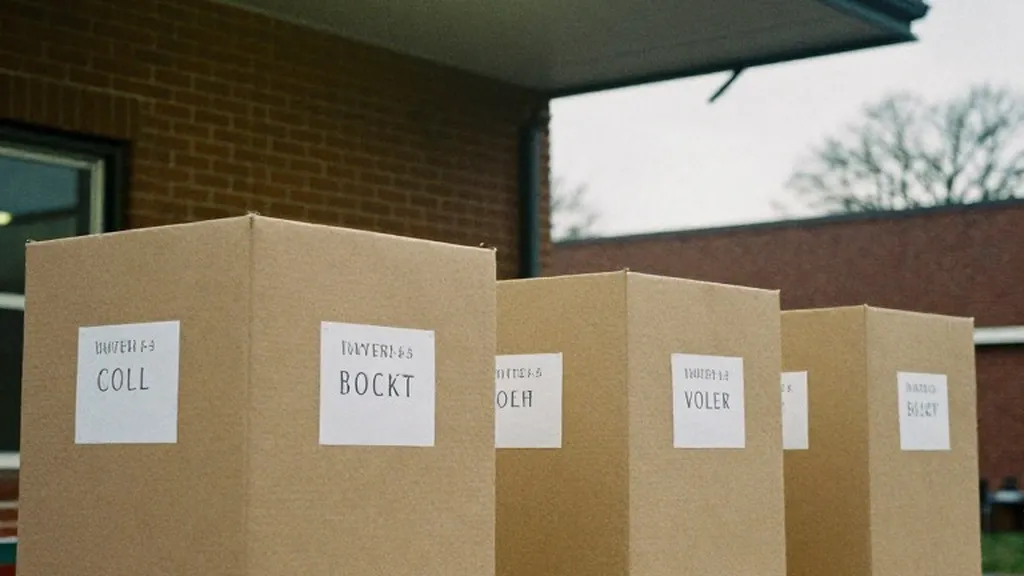
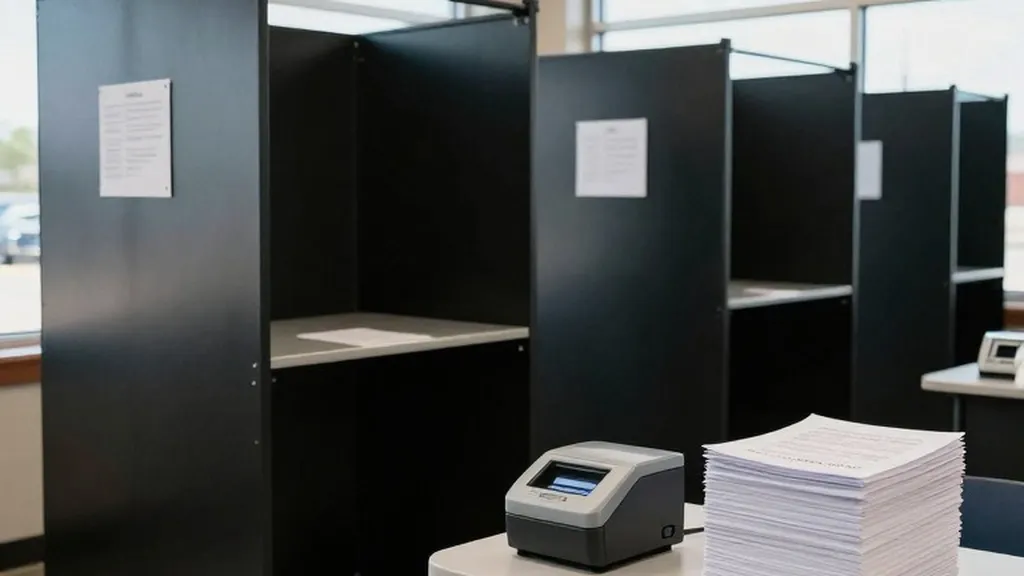
Election administration issues have also made headlines. A federal judge on Monday temporarily barred the Trump administration from carrying out a plan it says would prevent noncitizen voting. Critics say it risks disenfranchising eligible voters and infringes on states' authority over elections. A judge also ordered the administration to stop demanding that California election officials segregate ballots cast by people on its lists of suspected noncitizens. These legal battles could impact the final count and the speed at which results are certified. The U.S. Postal Service added hours, staff, and special lines so mail ballots are counted on time, a detail that matters for states that rely heavily on mail-in voting.
Key Senate battlegrounds include Kansas, which has become central to the fight for Senate control. The AP notes that the state is reliably Republican but has become competitive due to the high stakes. In Alaska, the Trump administration filed a lawsuit related to certification of the Senate result. In Texas, Republican Attorney General Ken Paxton is running against Democrat James Talarico. Trump backed Paxton over Sen. John Cornyn in the primary. These races will determine the final composition of the Senate, which plays a crucial role in confirming judicial nominees and passing trade deals. The outcome in these states will provide a clearer picture of the political landscape for the next two years.
Governor races are also important for markets, as they influence state-level regulations and tax policies. Democrats hope to hold a majority of governorships for the first time in two decades. Republicans hold 26 governor's offices and Democrats 24. Of the 36 governorships on the ballot, each party holds 18. In Ohio, Republican Vivek Ramaswamy is running against Democrat Amy Acton. The AP calls Texas, Florida, and Iowa competitive governor races. Control of statehouses can affect infrastructure spending, which is a major driver of economic activity. Investors are watching to see if Democrats can break the Republican hold on the governorships that has persisted since 2010.