Shell profit climbs to $10.81 billion as margins set record
The company's refining margin hit $42 per barrel while Brent crude traded near $114.
By Hugo Cook ·
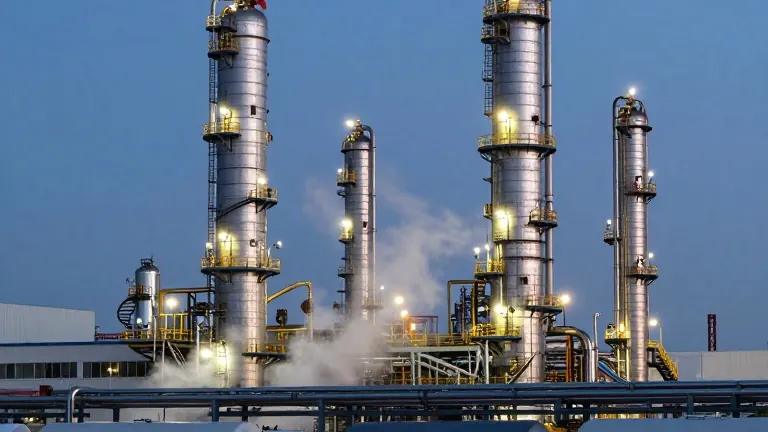
Shell posted adjusted earnings of $10.81 billion for the third quarter, nearly double the $5.43 billion it reported a year earlier, as refining margins reached $42 per barrel. The company's previous high was $28.04 a barrel in the second quarter of 2022. The result exceeded the $9.92 billion consensus among analysts polled by LSEG for the July to September period.
Shell's London-listed shares rose about 3 percent in morning trading on Thursday, touching an all-time high. The company also lifted its buyback pace, committing to repurchase $5 billion of stock over the next three months, up from $3 billion in the prior quarter. Free cash flow reached $16.3 billion, compared with $10 billion in the same period last year.
The company's net debt stood at $39.7 billion, down from $41.75 billion at the end of the prior quarter. Shell narrowed its 2026 capital spending outlook to a range of $23 billion to $25 billion, from a prior range of $24 billion to $26 billion. CEO Wael Sawan pointed to "continued severe disruption to the global energy system" behind the operational results.
Maurizio Carulli, an equity research analyst covering global energy and materials at Quilter Cheviot Investment Management, said the debt reduction came after Shell closed a $16.4 billion purchase of Canadian energy company ARC. Carulli added that he expects small bolt-on acquisitions rather than a major reshaping of the portfolio. Shell sold its Indian wind and solar business and is looking to sell its UK chemicals joint venture with Exxon.
Rival TotalEnergies reported adjusted net income of $9.1 billion for the third quarter, more than double its year-ago figure. CEO Patrick Pouyanne said the result was lifted by historically high refining margins in Europe and worldwide.
Brent crude, the international benchmark, traded near $114 a barrel on Thursday, against roughly $65 a barrel a year earlier. Gulf exports have been constrained by the U.S. and Israeli conflict with Iran and attacks on shipping in the Strait of Hormuz. A shortfall in refining capacity, made worse by strikes on Russian refineries, has pushed up gasoline, diesel and jet fuel prices; the Group of Seven agreed earlier this month to release emergency diesel stocks.
Source: CNBC
More Business · Watch Your Wallet · Report a business · Got a Story?