RTX Spark Debut: ASUS ProArt P16 Priced at $7,000
The new Arm-based laptop features 128GB of unified memory and targets local AI workloads with a premium price tag.
By Hugo Cook ·
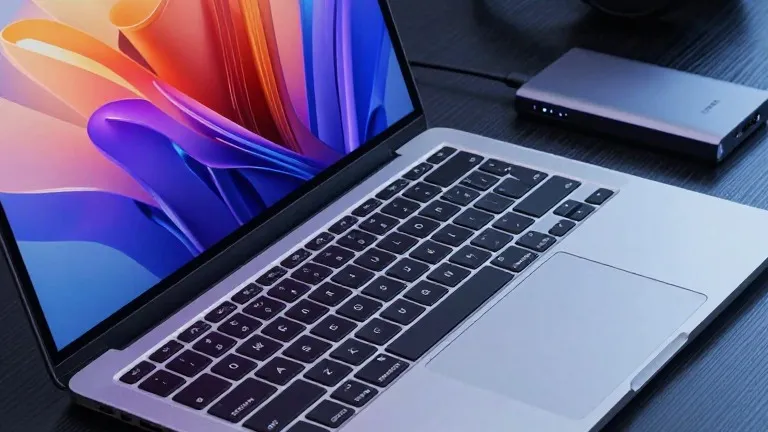
The ASUS ProArt P16 review unit costs $7,000. This price point reflects the hardware inside the machine, which includes 128GB of RAM. The device is the first laptop to feature the NVIDIA RTX Spark chip, a system-on-a-chip that combines a 20-core Arm CPU with a Blackwell GPU.
ASUS launched the ProArt P16 to compete in the premium creator market. The company shifted away from Intel and AMD processors for this specific model. Instead, it adopted the Arm-based architecture that Microsoft and NVIDIA have promoted as a new standard for personal computing. The hardware design mirrors Apple’s M-series chips, utilizing up to 128GB of unified memory within a single package.
The laptop debuted with a base price of $2,800. Costs increase sharply as buyers add more memory. The specific configuration tested by Engadget included the maximum 128GB of RAM. The build features an aluminum chassis that weighs 3.9 pounds. This makes it lighter than the 4.7-pound Apple 16-inch MacBook Pro. The 16-inch OLED display reaches 1,600 nits of brightness.
Performance benchmarks showed mixed results compared to competitors. In PCMark 10 Applications, the P16 scored approximately 3,000 points lower than the ASUS A16 equipped with a Snapdragon X2 Elite. It also trailed slightly in Geekbench 6 single-threaded CPU tests. Graphics performance was stronger. The device outperformed a MacBook Pro with an M5 Max chip by 4,700 points in Geekbench 6 GPU tests. In Procyon’s AI Computer Vision 2 test, the P16 recorded a score of 3,895, compared to 3,267 for the Apple laptop. Its AI Image Generation score was 1,519, which is 600 points higher than the Apple result.
The machine can run large AI models locally. The reviewer tested the Qwen3.8 27B model, which requires 42GB of RAM. The laptop handled this workload with memory to spare. It also ran the OpenClaw application. Gaming performance is capable, with 70 frames per second in Control: Resonant at 1440p resolution with ultra settings and medium ray tracing. Lowering the settings raised the frame rate to 120 fps. The fans became loud during these sessions.
Compatibility remains a variable for buyers. Most games rely on Microsoft’s Prism emulator for the Arm CPU, which can reduce performance. Native Arm64 builds exist for titles like Fortnite and DOTA 2. NVIDIA is working with anti-cheat developers, though some multiplayer games may still face issues. Adobe has supported the platform with its major software. Battery life in the PCMark 10 Applications test reached 10 hours and 51 minutes. This is below the 15-hour benchmark for many premium laptops. Performance did not drop when the device was unplugged.
The laptop includes three USB-C ports, a USB Type A port, HDMI, a headphone jack, and an SD card reader. It lacks an Ethernet port. The black finish attracts fingerprints. Engadget noted that the device is best suited for AI professionals who can justify the cost. For gamers, the review cited the ASUS Zephyrus G16 with an RTX 5070 and 240Hz OLED screen. That model is priced at $2,124 at Best Buy and offers full compatibility.
The reviewer advised general users and gamers to wait at least a year before adopting the RTX Spark platform. The chip is positioned as a new branch of PC design rather than a replacement for x86 hardware or Qualcomm Snapdragon X chips. The competition may force AMD, Intel, and Qualcomm to improve their offerings. The high memory capacity does not currently lower prices, which remain inflated by AI demand.
Source: Engadget