NASA finalizes lunar landing roadmap with major orbital changes
The agency confirmed a revised architecture that moves critical docking operations to high Earth orbit and maintains a 2028 target for crewed lunar surface missions.
By Maya Almasi ·
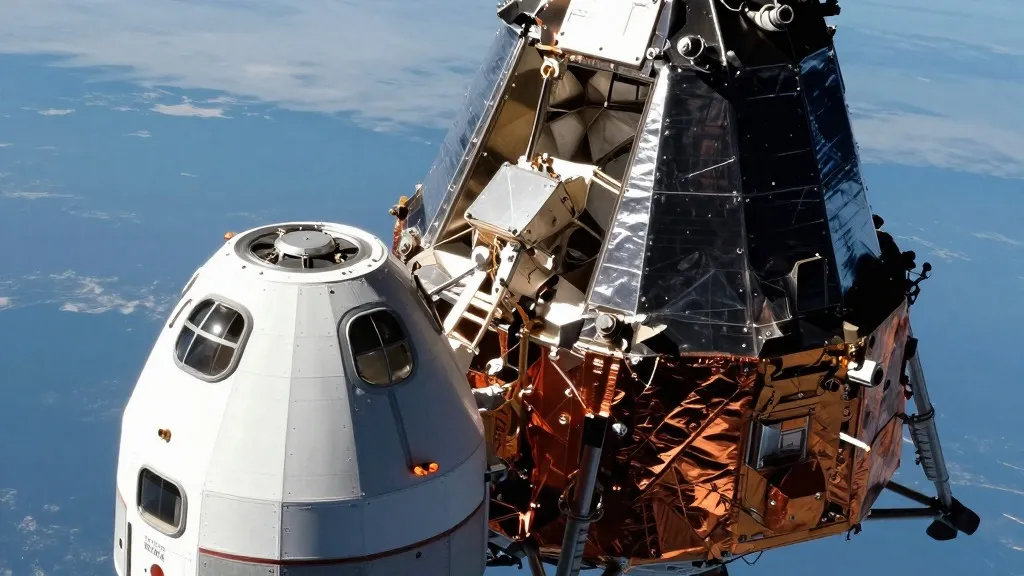
NASA has officially detailed its updated strategy for returning humans to the Moon, confirming a timeline that targets a crewed surface landing as early as 2028. The agency presented these revised plans during a lengthy news conference on Friday, marking the first time it has publicly laid out the specific architectural changes required to meet its goals under the Artemis Program. The presentation clarified how the space agency intends to coordinate with commercial partners to execute these ambitious objectives within the current decade.
The most significant shift in the new plan involves the role of SpaceX’s Starship vehicle. Under the updated architecture, the Orion spacecraft will now dock with the Starship lunar lander in high Earth orbit before the combined vehicle travels to the Moon. This change streamlines the mission profile by removing a previously complex orbital maneuver. For Blue Origin, the revised mission design involves four separate launches of the New Glenn rocket. Notably, this approach eliminates the need for spacecraft-to-spacecraft refueling in transit. The Blue Origin plan also includes the possibility of its Blue Moon lander rendezvousing with the Orion capsule in low lunar orbit.
NASA officials maintained their existing schedule for the upcoming demonstration phases during the presentation. They stated that the Artemis III mission, which will serve as a test of docking procedures involving both Blue Moon and Starship near Earth, is still anticipated for the summer of 2027. Following that, the agency continues to track toward a 2028 launch for Artemis IV, the first mission to place astronauts on the lunar surface under the new configuration. These dates represent a critical milestone in the agency's long-term goal of establishing a sustained human presence beyond low Earth orbit.
Jared Isaacman, the current NASA Administrator, expressed confidence in the agency's ability to meet these targets. He stated that the organization is on an achievable path with the necessary mandate, resources, and stakeholder support to execute the plan. Isaacman emphasized that leadership has reviewed every element of the program to make changes that help lunar lander companies accelerate their development schedules. His remarks signaled a commitment to holding the commercial partners and internal teams accountable to the revised timeline.
The changes to the mission architecture were driven in part by feedback from SpaceX engineers. In meetings held in early 2026, SpaceX requested the removal of the requirement to dock with Orion in a near-rectilinear halo orbit around the Moon. That specific orbital path required significantly more energy and presented other technical difficulties. The decision to cancel the Lunar Gateway earlier this year effectively solved this problem for SpaceX by allowing the docking to occur in high Earth orbit instead. This adjustment aligns with the broader goal of simplifying the complex logistics involved in deep space travel.
The stakes for the program remain high as the agency transitions from planning to execution. The success of the Artemis IV mission depends on the seamless integration of multiple commercial systems and the reliability of the new orbital strategies. By finalizing these architectural details now, NASA aims to reduce uncertainty and provide a clear framework for its partners. The agency's ability to hold to the 2028 date will determine the pace of future lunar exploration efforts and the long-term viability of the Artemis Program.
Source: Ars Technica · original report published