Cuba Strategy: Rubio Seeks CIA Partners as Trump Revives Naval Flyby
The secretary of state called for a private alliance with the CIA while the president described warships stopping near the island coast.
By Maya Almasi ·
Washington has intensified its pressure on Havana with a dual approach combining diplomatic recruitment and naval posturing. This shift marks a departure from recent months of quieter engagement and signals a more assertive stance ahead of the midterm elections.
Secretary of State Marco Rubio issued the call to action via social media, addressing Cubans who desire political transformation. He described the current situation as a time when the disappointment of broken promises and the privileges of the few have reached a breaking point. In that message, Rubio explicitly invited citizens to work through a partnership with the Central Intelligence Agency. He used the word "discrete" in the post, a term that typically means separate rather than the likely intended "discreet," which implies secrecy.
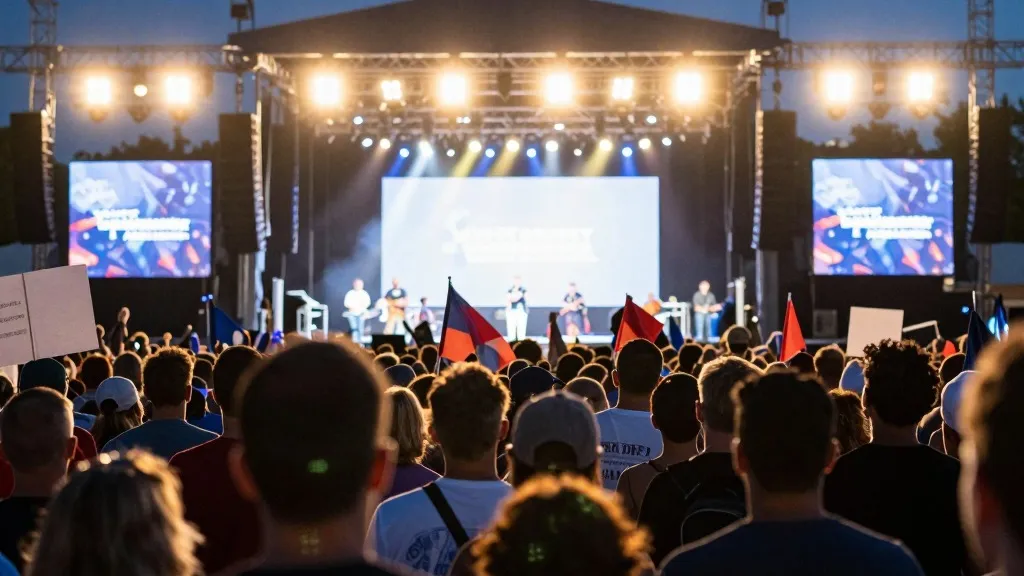
The diplomatic push follows a specific timeline of escalating rhetoric. Trump first introduced the warship concept earlier this year but remained silent on the matter for several months. He revived the idea during a Friday rally in South Florida, responding to a question from the audience about the island. The event occurred just days before voters cast ballots in midterm elections, a period marked by concern over the economic impact of the Iran war on consumer prices.
Rubio has not discussed Cuba in detail publicly for several weeks. In a September 29 interview with Sean Hannity on Fox News, he stated that the island had already fallen. He characterized the economy as non-functional and the revolution as dead for two decades. While he expressed hope for a different path forward, he did not reference any intelligence operations at that time.
Negotiations between the two governments have been inconsistent. Senior US aides met with Cuban officials recently to explore improved relations, but the American side expressed dissatisfaction with the outcomes. This led to the imposition of additional sanctions. In a speech to the United Nations General Assembly last month, Trump claimed that Rubio was deeply involved in negotiations. Shortly after, he told reporters that a deal was expected and that military force would likely not be required.
Havana reacted to the new comments with public criticism. Deputy Foreign Minister Carlos Fernandez de Cossio posted on X, stating that the United States was resorting to public recruitment for the CIA. He compared the agency's outreach to selling a tube of toothpaste, suggesting that the move revealed a level of desperation within the organization.
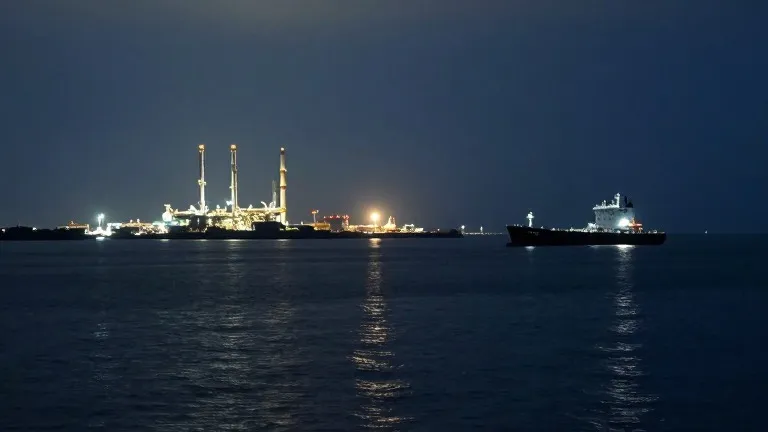
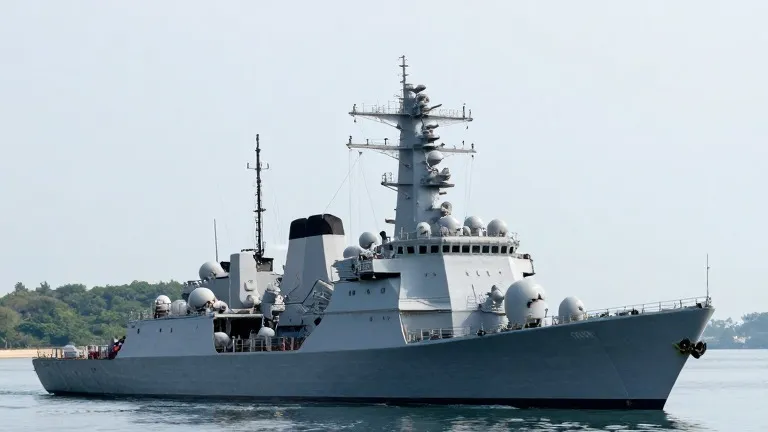
Trump provided specific details on the naval plan during the rally. He said ships returning from the Iran war would make a stopover. One vessel would stop approximately 50 yards off the Cuban coast. The crew would raise their hands in a gesture, after which he said Rubio would be sent in to finalize the arrangement.
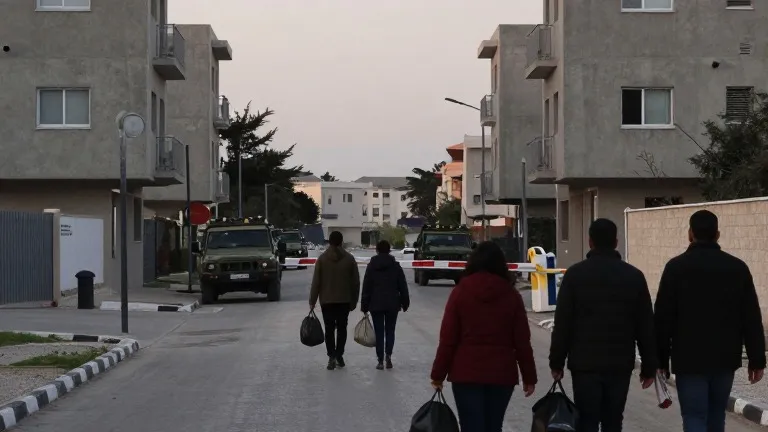
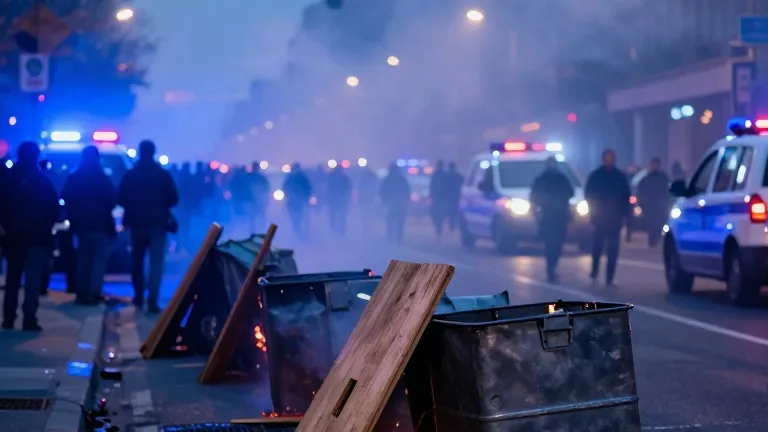
The island faces a severe economic and energy crisis that began in 2020. Gross domestic product has contracted, and its 10 million residents continue to experience blackouts, food shortages, and high inflation. Protests have occurred in waves, and hundreds of thousands of Cubans have emigrated, with the United States being a primary destination.
Source: The Guardian