Low Confidence Hits Midterm Voting
Consumer sentiment has dropped below levels seen during past recessions, even as gross domestic product growth remains strong.
By Hugo Cook ·
American voters face a disconnect between official economic statistics and their daily costs as they head to the polls for the midterm elections this week. Consumer confidence has fallen to a historic low, with more than half of the population reporting that the government is managing the economy poorly.
The University of Michigan Index of Consumer Sentiment shows current confidence levels are lower than during the 1980s recessions and the 2008 financial crisis. Kathryn Anne Edwards, a labour economist and policy consultant in Houston, noted that only three times since the 1970s has more than 50% of Americans viewed economic management negatively. That figure currently stands at 74%. Edwards described the drop as unprecedented and difficult to articulate.
Macroeconomic indicators tell a different story. The U.S. economy grew by 3.8% in the quarter ending in September, making it the fastest growing in the Western world. RBC economists Mike Reid, Carrie Freestone, and Imri Haggin stated that GDP is expanding above trend while unemployment remains stable. Retail sales have increased, and stock markets are at all-time highs.
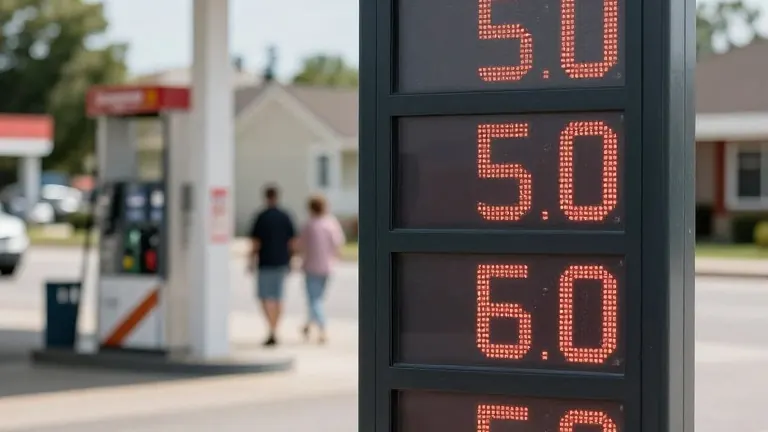
Voters perceive the economy through the lens of inflation rather than aggregate growth. Francis Généreux, lead economist at Desjardins Group, explained that rising prices outweigh job reports and stock performance for many citizens. Two primary drivers have pushed costs up: tariffs and the U.S.-led war with Iran.
Gasoline prices surged when the conflict began and remain higher than a year ago. U.S. inflation has risen to 3.7%, with economists warning it may continue to climb. A report from the New York Federal Reserve found that tariffs contributed 2.9 percentage points to goods price inflation by February 2026. Researchers Mary Amiti, Sebastian Heise, and David E. Weinstein determined that goods prices would have fallen slightly without these tariffs.
Edwards identified two sharp drops in the consumer sentiment index corresponding to the introduction of tariffs and the start of the Iran war. She stated that Americans understand tariffs have made their lives more expensive. The midterms could lead to sweeping changes in the composition of Congress, though whether new members will act to lower tariffs remains an open question.
Source: CBC News
More Business · Watch Your Wallet · Report a business · Got a Story?