Gasoline price could top 9 shekels
The expiration of a temporary tax cut and rising global oil costs create a potential price spike before the next government takes office.
By Madison Morris ·
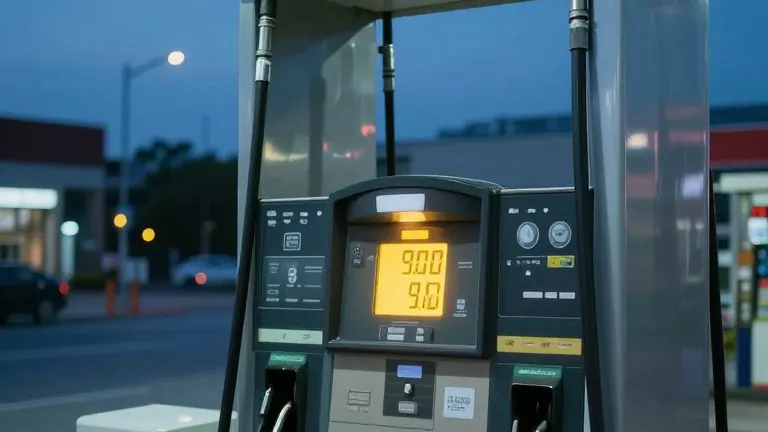
Israeli motorists may see the price of 95-octane gasoline exceed nine shekels per liter in the coming days. The current cost stands at 7.77 shekels, but a temporary reduction in excise taxes is set to expire on November 3. This deadline coincides with the next scheduled price update, which could land as early as Saturday night.
Finance Minister Bezalel Smotrich implemented the tax relief to stabilize costs ahead of the recent elections. An initial order signed in September had lowered the tax by 0.50 shekels per liter. As global oil prices climbed, the finance minister doubled that reduction to 1 shekel per liter last month. Under standard conditions, taxes account for more than 60% of the final pump price in Israel.
The Finance Ministry’s Budget Department estimates that these recent reductions will cost the state approximately 467 million shekels in revenue. This financial outlay occurs while the ongoing war has driven defense spending to record highs. The department’s figures reflect the cumulative impact of the tax changes over the past two months.
Global market forces are also influencing domestic costs. Expectations of a third round of conflict involving Israel, Iran, and the United States have pushed oil prices up by about 10% since late September. The Energy Ministry’s Fuel Administration set the current October price during a period of lower oil values. The final price for the next period will be determined based on Mediterranean basin oil prices at the end of this week.
Smotrich faces a decision on whether to extend the relief after the elections. If the current government loses power, he may allow the tax cut to lapse, leaving the successor administration to manage the resulting price surge. In that scenario, the removal of the 1 shekel tax break would combine with the higher oil costs to push prices above the nine-shekel mark.
Even if the tax cut remains in effect, drivers should expect an increase. The higher oil prices alone are projected to add roughly 30 agorot per liter, bringing the price just over 8 shekels. The new rate may remain in force for only a few days, as the next pricing cycle will be calculated shortly after.
Source: The Jerusalem Post
More Business · World news · Watch Your Wallet · Report a business · Got a Story?