South Dakota voters face final wave of political text messages before Tuesday
Campaigns are spending as little as one cent per person to send targeted SMS ads, a tactic experts say is cost-effective but may be reaching a saturation point among the public.
By Madison Morris ·
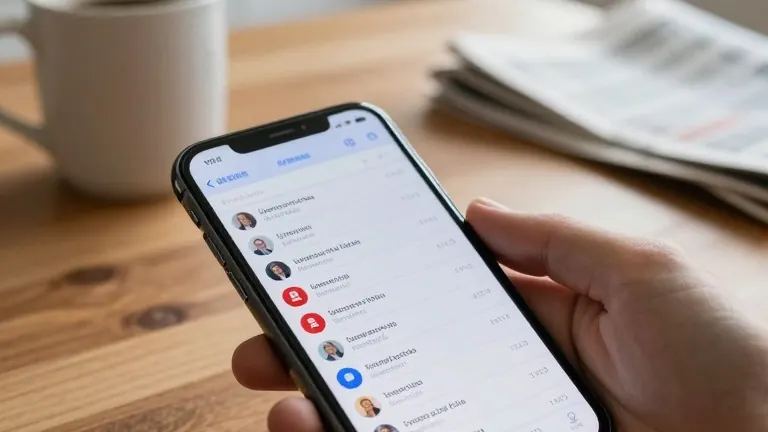
In the days leading up to Tuesday's general election, the phones of many South Dakota residents have become a new battlefield for political campaigns. Instead of just phone calls or direct mail, voters are receiving a steady stream of text messages from candidates, parties, and outside groups.
These messages vary in content and intent. Some provide brief biographical information about a candidate, while others attack an opponent or simply urge the recipient to vote. A portion of these texts originates from organizations outside the state, adding to the volume of communications arriving on personal devices.
Julia Hellwege, the Diane Jones Meier Distinguished Professor of Gender and Public Policy at the University of South Dakota, explains that the shift toward text messaging is driven by efficiency. She notes that issue messengers and 501(c)4 organizations are adopting this method because it is relatively inexpensive and allows for direct, personalized contact with individuals.
According to Hellwege, the cost of sending a single text message can be as low as one cent per person. Campaigns achieve this by purchasing lists that contain voter file information and phone numbers. This makes texting a much less resource-heavy strategy compared to traditional advertising methods.
While the strategy is cost-effective, its impact on voter behavior remains unclear. Hellwege suggests that these messages may help get people to the polls, but they may not necessarily determine whom they vote for. She observes that these communications have existed for a long time but are now increasing in frequency as the election approaches.
The tone of these texts shifts throughout the election cycle. Early in the race, messages often focus on fundraising and candidate introductions. As Election Day nears, the messages become calls to action. Some aim to evoke fear, while others use positive rallying cries. Hellwege also identifies a sub-category she calls underdog messaging, where a candidate claims to be trailing slightly and asks for help to gain the edge.
One specific strategy involves informing voters that whether they cast a ballot is public information. Hellwege describes this as a tactic that uses shame to produce a desired outcome. While not a new concept, research into campaign mailers has shown that this approach can be effective. She notes that people often feel uncomfortable with the message, wondering why their voting status is being used against them, yet the knowledge that others can look it up creates a sense of obligation.
The high volume of these ads has led some voters to block the senders or move the messages to a spam folder. Hellwege views this reaction as a sign that some voters are reaching a saturation point. She describes the practice of ignoring these texts as a direct-to-trash option that signals the messaging may have gone too far for some recipients.
Polls in South Dakota will be open from 7:00 a.m. to 7:00 p.m. local time on Tuesday. Voters can access additional information through the South Dakota Secretary of State’s Voter Information Portal.
Source: Dakota News Now