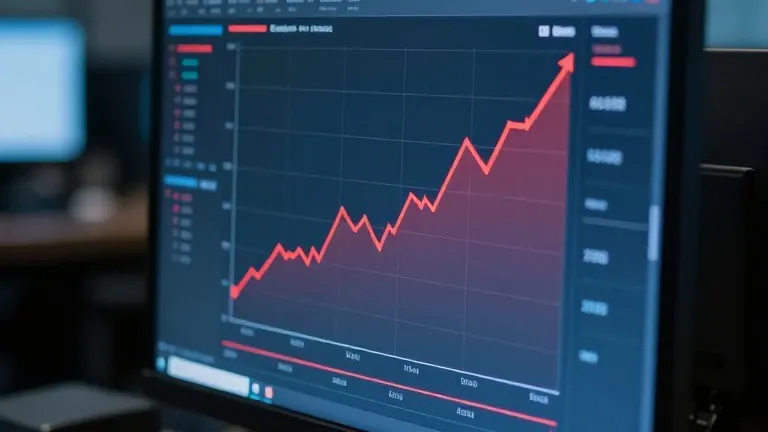
Fleet GPS trackers expose hidden vehicle misuse
Automated monitoring systems provide continuous data that manual check-ins miss, helping small business owners control fuel and mileage costs.
By Maya Almasi ·
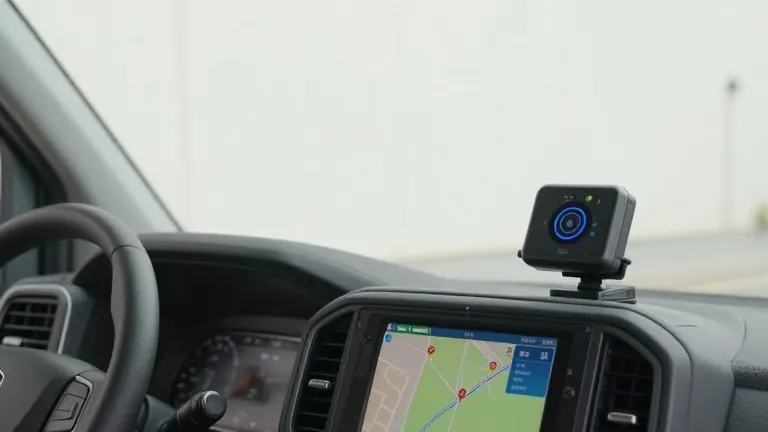
Small business owners are installing automated GPS trackers in their company vehicles to stop unauthorized use. These devices record location, time, and speed continuously. They replace manual phone calls and receipt reviews that often fail to catch misuse.
The SBA identifies vehicle expenses as a top cost for small service businesses. Owners report that unauthorized driving adds miles to routes and increases fuel bills. A service truck might show 15 extra miles on Monday that were not on Friday. A van might appear parked outside a residence on a Saturday morning. These patterns indicate personal errands run on company time.
Manual supervision creates a predictable schedule. Drivers who know check-in calls happen at 10 a.m. and 3 p.m. adjust their behavior only during those windows. A tracking system removes that predictability. It monitors every hour of every day. If a vehicle moves at 11 p.m. on a Tuesday, the system sends an automatic alert to the manager. This continuous oversight changes driver behavior by making detection certain rather than random.
Clear written policies make the technology more effective. The Federal Motor Carrier Safety Administration provides guidelines for documenting vehicle use rules. Businesses can allow limited personal use or ban it entirely outside work hours. The specific rule matters less than the consistency of application. A documented policy that drivers have signed acknowledges the terms. This record protects the company in insurance claims and employment disputes.
The data also protects drivers from false accusations. If a vehicle is involved in an accident during off hours, the GPS log shows exactly who was driving and when. It confirms whether the use was authorized. Conversely, if a driver is accused of misuse but the data shows the vehicle remained parked, the record resolves the issue quickly. This evidence supports both the business and the employee during investigations.
Transparency improves adoption rates. Owners who explain the system before activation report smoother rollouts. They tell drivers what data is collected and how it is used. They commit to using the information only as described. This approach reduces tension compared to surprise monitoring. Drivers accept the monitoring when they understand the rules and the method. The system works best when the team treats it as a standard tool rather than a hidden check.
Source: Yonkers Times
More Business · Watch Your Wallet · Report a business · Got a Story?