Brazil's Shifting Economy Forces a New Calculus in the Final Vote
The rise of gig work and the decline of traditional factories are altering voter loyalty ahead of this week's decisive presidential ballot.
By Madison Morris ·
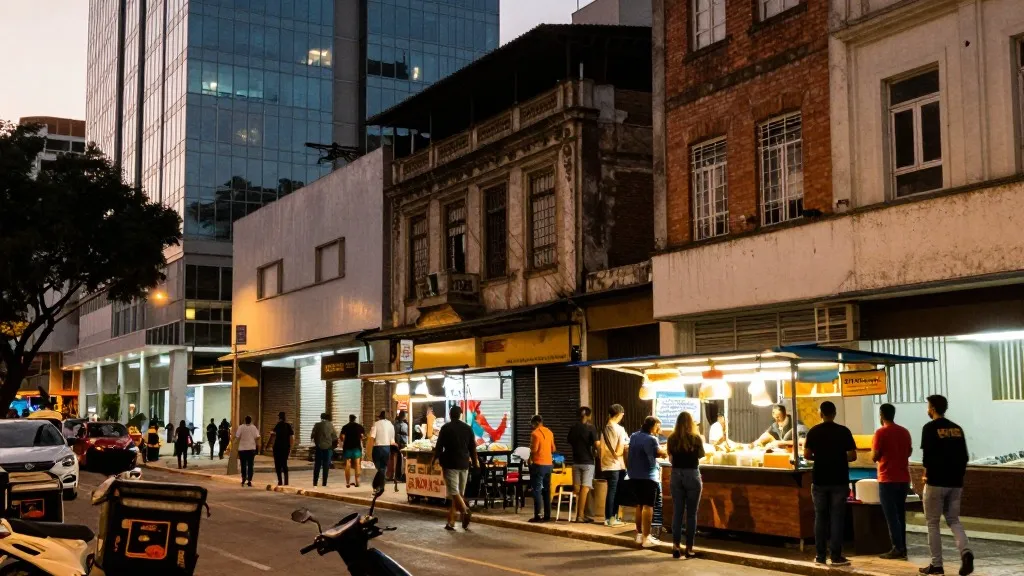
The final showdown for Brazil's presidency is being determined by a fundamental shift in how the country's labor force operates. As voters head to the polls this Sunday, the traditional alliances that defined previous elections are dissolving under the pressure of economic change. The contest between incumbent President Luiz Inácio Lula da Silva and right-wing challenger Flávio Bolsonaro is no longer just a clash of ideologies. It is a reflection of a nation where the industrial base has shrunk and the gig economy has expanded.
The numbers underscore this transformation. In Osasco, once a heavy industrial hub, factories have been replaced by shopping centers and delivery app headquarters. This area voted for Lula in 2022 but shifted to Bolsonaro in this month's first round. Bolsonaro won that initial vote nationwide, continuing a streak where every first-round winner since 1989 has secured the presidency. However, 33 million people abstained in the first round, the highest number of non-voters since 1998. This high abstention rate signals a deep disconnect between the electorate and the major parties.
Union leader Gilberto Almazan describes the local economy as stuck in the Middle Ages while the workforce moves toward what he calls Uber-isation. He notes that metal, chemical, and textile plants have vanished, replaced by retail spaces. Many workers now prefer the flexibility of driving or delivering over the collective welfare models Lula has championed. Richard Lapper, a biographer of both leaders, argues that Brazil industrialized late and deindustrialized early, making these shifts more painful. He describes Lula as a victim of his own success, noting that while unemployment is at a record low and the country has been removed from the UN Hunger Map, many citizens feel the pinch of high prices and debt.
The stakes are high for both candidates. Flávio Bolsonaro proposes cutting government spending and some taxes while retaining key welfare programs. He faces denied corruption accusations and is backed by a growing evangelical sector that provides social services. Lula is responding with massive street rallies, claiming one in São Paulo drew a million people. The 80-year-old president is also using social media to project energy, calling himself the king of selfies to counter age-related critiques. In poorer areas like Rio's Maré favela, Lula still retains support due to his record on minimum wages and healthcare, even as turnout remains low.
The outcome will hinge on whether voters believe Lula can offer a new narrative for a post-industrial Brazil. Almazan fears there will never be another Lula if the working class continues to drift away from traditional union structures. Bolsonaro's supporters see a hope of change, while Lula's base remains anchored in tangible welfare gains. This election is less about picking a favorite and more about rejecting the status quo. The final tally will reveal if the old political map still holds or if the new economic reality has permanently redrawn the lines of power.
Source: BBC News
More Politics · World news · Report a business · Got a Story?