Blue Planet III embraces murky visuals to fight the rise of AI deepfakes
Producers are intentionally leaving visual imperfections in the new series to prove the footage is genuine in an era of synthetic media.
By Maya Almasi ·
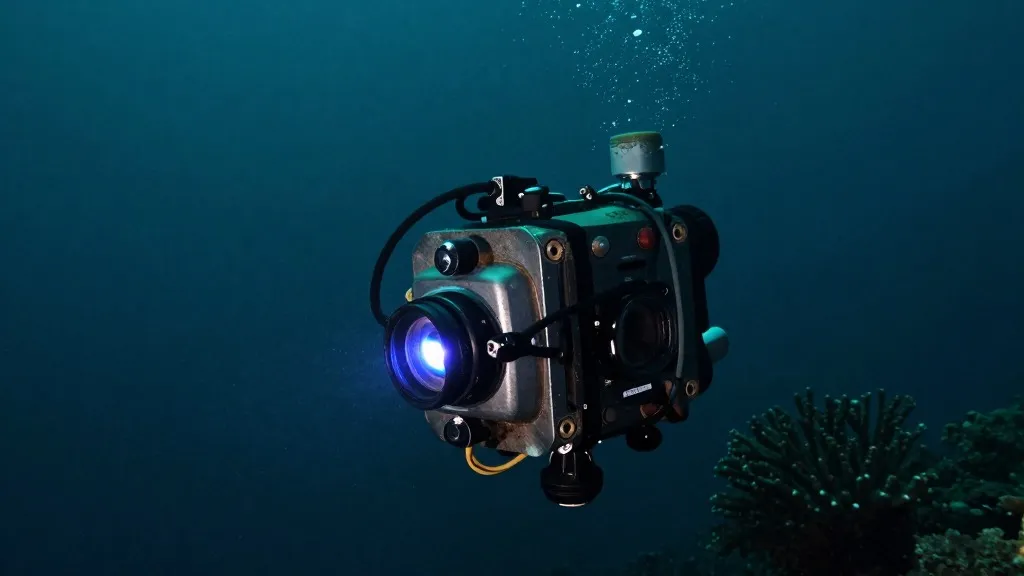
In a bold move against the growing prevalence of artificial intelligence, the makers of the new BBC nature series Blue Planet III have chosen to keep their footage less than perfect. The team explains that they have intentionally retained cloudier and rougher shots to reassure viewers that the images are authentic. This strategic decision comes at a time when synthetic media is becoming increasingly indistinguishable from reality, creating a trust deficit for high-profile productions.
The series, which arrives nearly ten years after the second installment and 25 years after the original, marks a significant shift in production philosophy. While the technology has become far sharper, the team opted for an organic aesthetic. Executive producer Elizabeth White noted that the rise of AI actually drives them to be more authentic. She emphasized that the deep ocean creatures are likely more remarkable than any algorithm could imagine, and the raw quality of the footage serves as proof of its reality.
Historically, production teams would often discard sequences if the water was too murky, if plankton obscured the view, or if a boat or buoy was accidentally framed. In this new cycle, those details are kept on purpose. White described the approach as leaning into authenticity, with an expectation that the team will rely even more on imperfect imagery as AI tools continue to evolve and improve.
Jack Bootle, the BBC's head of specialist factual commissioning, offered a specific guarantee to journalists at a press screening. He stated that no generative AI was used in the series, noting that not a single frame was synthetic. He described the project as part of a golden age of natural history making, where the footage is bursting with novel behavior rather than recycled content.
The series features several unprecedented observations, including dolphins using sea sponges to trap fish and grouper communicating with other species. These moments were captured using innovative tools developed by producer and director Yoland Bosiger. The team built a mini-dome camera to track an octopus, used lasers to film deep-sea animals, and even employed a deep-sea selfie stick. Camera operators also wore leg-mounted scooters to capture immersive diving sequences.
Filming took four years across five oceans, with the team using more local crews to save money. The series also addresses ocean threats, showing how warmer seas are impacting clownfish habitats and continuing the focus on plastic pollution. Narrator David Attenborough, who is 100, remains heavily involved in script changes. The new series launches on BBC One and iPlayer on Sunday, 1 November.
The decision to prioritize authenticity over polish highlights a broader industry response to digital fakery. By embracing the imperfections of underwater filming, the BBC aims to anchor its storytelling in tangible reality.
Source: The Guardian