
Apple Raises iPhone Duo Production Targets by 40% Amidst Record Demand
The tech giant has increased its first-year shipment goals for its new folding smartphone from 9.7 million to 14 million units after pre-orders overwhelmed initial supply.
By Madison Morris ·
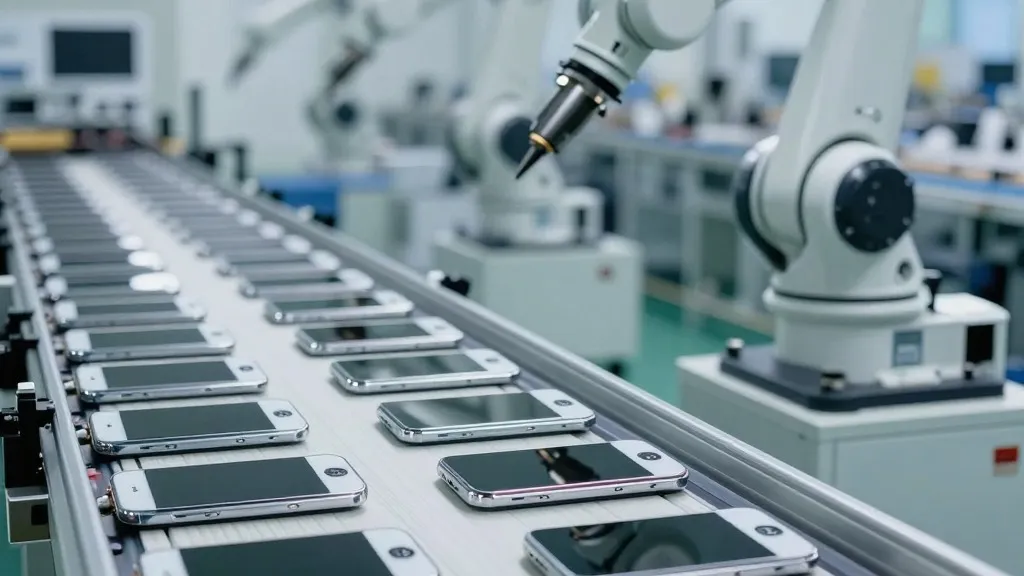
Apple has significantly increased its manufacturing orders for the iPhone Duo, a move that supply chain analysts attribute to unexpectedly high consumer interest. According to a new report from DigiTimes, the company has raised its shipment targets by more than 40% to meet the demand that emerged immediately after the device went on sale.
The adjustment reflects a substantial shift in production planning. Apple originally projected shipping 9.7 million units of the folding device over the first twelve months. That figure has now been revised upward to 14 million units. This increase signals that the company anticipates strong sales figures will persist beyond the initial launch period.
The surge in demand became apparent almost immediately after pre-orders opened on Friday. Customers reported that estimated delivery dates were extended within minutes of the order window opening. Some buyers were presented with shipping estimates that pushed delivery into late January. While such delays can sometimes indicate supply chain issues, the latest data suggests the primary cause is the volume of orders rather than a lack of inventory.
Apple characterized the pre-order volume as extraordinary, a term the company has used previously for other major product launches. To manage the influx and prevent secondary market speculation, the company imposed a limit of two units per customer. Despite these measures, the high volume of requests required a rapid response from the manufacturing team.
As production ramps up, some early orderers have already seen their delivery dates adjusted to earlier times. This shift aligns with reports that Apple is actively boosting output to clear the backlog. The company’s decision to increase targets suggests confidence that the market will absorb the additional units without significant difficulty.
For the customers who receive the device now, the transition to a new form factor comes with some initial challenges. Third-party applications have not yet been fully optimized for the folding screen, which has been a point of discussion in early reviews. However, Apple states that developers are quickly addressing these issues, and the company reports that the situation is improving rapidly as support expands.
User feedback on the device has also highlighted the decision to use Touch ID for security, a change from the Face ID system found on many previous models. While this design choice drew mixed reactions, internal reports indicate that Apple is already testing prototypes for the next iteration. These new models are reportedly equipped with Face ID, suggesting the company may revert to that technology in future releases.
The situation serves as a test of Apple’s ability to manage supply for a new category of hardware. By increasing production targets by such a significant margin, the company is betting on sustained consumer adoption. The coming months will determine if the demand holds steady and if the software ecosystem can mature quickly enough to support the growing user base.
For now, the focus remains on delivering the hardware to those who have placed orders. The initial slip in delivery dates has been attributed to the scale of the launch, and the production boost aims to normalize shipping times. As more units are manufactured, the pressure on the supply chain should ease, allowing for a more standard rollout of the device across the market.
Source: 9to5Mac · original report published