Aguirre: The Spanish daily lunch is struggling to survive
A new book traces the origins of the menú del día and argues that rising costs and shifting habits are eroding a tradition that served four million meals daily.
By Madison Morris ·
Since the mid-1960s, the menú del día has anchored the Spanish midday meal, a set lunch that was once a tool of state propaganda and is now a fading social institution.
Spanish food journalist Lakshmi Aguirre details the history of this tradition in her new book, Menú del Día: Everyday Scenes of a First Course, a Second Course and Pudding. While chef Ferran Adrià declared the custom dead in 2009, Aguirre argues it is currently in trouble rather than finished.
The meal originated as a tourist strategy under dictator Francisco Franco. Manuel Fraga, the information and tourism minister, designed it to show foreign visitors that food in the post-war country was plentiful and affordable. The initial regulation required a soup starter, a main course of egg, fish, or meat from at least three options, and a fruit, sweet, or cheese dessert.
Prices were legally fixed between 50 and 250 pesetas. The law also mandated that the included quarter-litre of wine be pure Spanish red or white with at least 12% alcohol, a measure intended to prevent owners from diluting the drink. By the early 1970s, the menu was renamed to encourage local residents to dine out, moving the tradition away from its exclusive tourist focus.
Today, approximately four million of these meals are served each weekday. However, the average price has climbed to €14.70. Economic pressures are squeezing small, family-run restaurants that struggle to maintain rotating daily menus amidst rising energy and food costs.
Changing lifestyles also contribute to the decline. Many workers opt for quicker lunch options, bringing food from home or microwaving supermarket meals. Some restaurants have responded by serving a single dish of the day or incorporating Latin American staples to reflect the country's shifting demographics.
Aguirre notes that many Spaniards are unaware of the menu's origins. She reported that people often reacted with shock when she mentioned Fraga during her research. She described the custom as a reflection of Spanish society's evolution, noting that nostalgia is growing as the habit fades.
For Aguirre, the value of the menú lies in its social function. She describes it as a meeting point where families with limited means can eat out and people living alone can find company. She contrasts this with the trend toward high-end bistro items, suggesting that a good venue is identified by simple dishes and regulars rather than trendy ingredients.
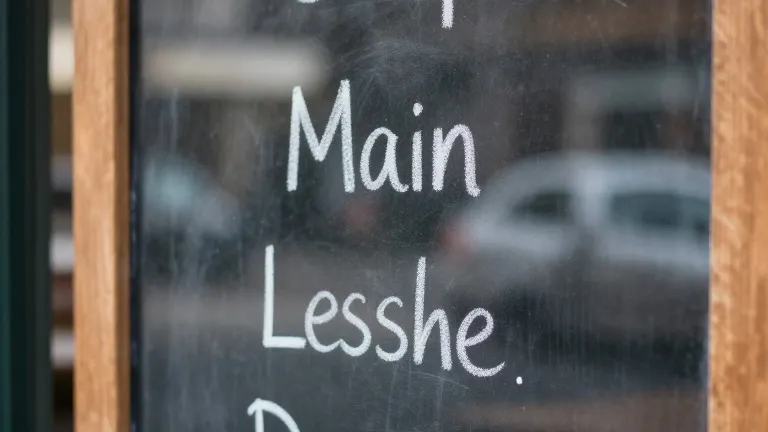
Her criteria for a quality establishment include non-frozen chips, a changing menu, and a chalkboard that avoids words like avocado, burrata, or truffle. She views the true privilege of the tradition not just as affordability, but as the time to enjoy the meal.
The tradition continues to serve as a marker of Spanish life, even as it faces structural and cultural challenges.
Source: The Guardian
More Culture · World news · Report a business · Got a Story?